Physiotherapy Clinics Near Me: Find Expert Care for Pain Relief and Faster Recovery
Are you searching for physiotherapy clinics near me to overcome back pain, knee stiffness, neck discomfort, sports injuries, or mobility problems? Finding the right physiotherapy centre is an important step towards improving your physical health and returning to your everyday activities. Professional physiotherapy focuses on understanding the underlying causes of movement difficulties and developing suitable treatment plans based on individual health requirements.
Modern lifestyles, long working hours, limited physical activity, poor posture, and age-related changes can contribute to different musculoskeletal problems. These conditions may affect your ability to walk, sit, stand, exercise, or perform daily activities comfortably. Consulting an experienced physiotherapist can help you understand your condition and explore appropriate rehabilitation options.
If you are looking for physiotherapy clinics near me in Madurai, Care To Cure Clinic provides personalized physiotherapy and rehabilitation services designed to support pain management, mobility improvement, and physical recovery. Located in Ellis Nagar, Madurai, the clinic focuses on patient-centred care and individualized treatment approaches.
This guide explains how physiotherapy works, what conditions it can help manage, how to select a suitable clinic, and what you should expect during your recovery journey.
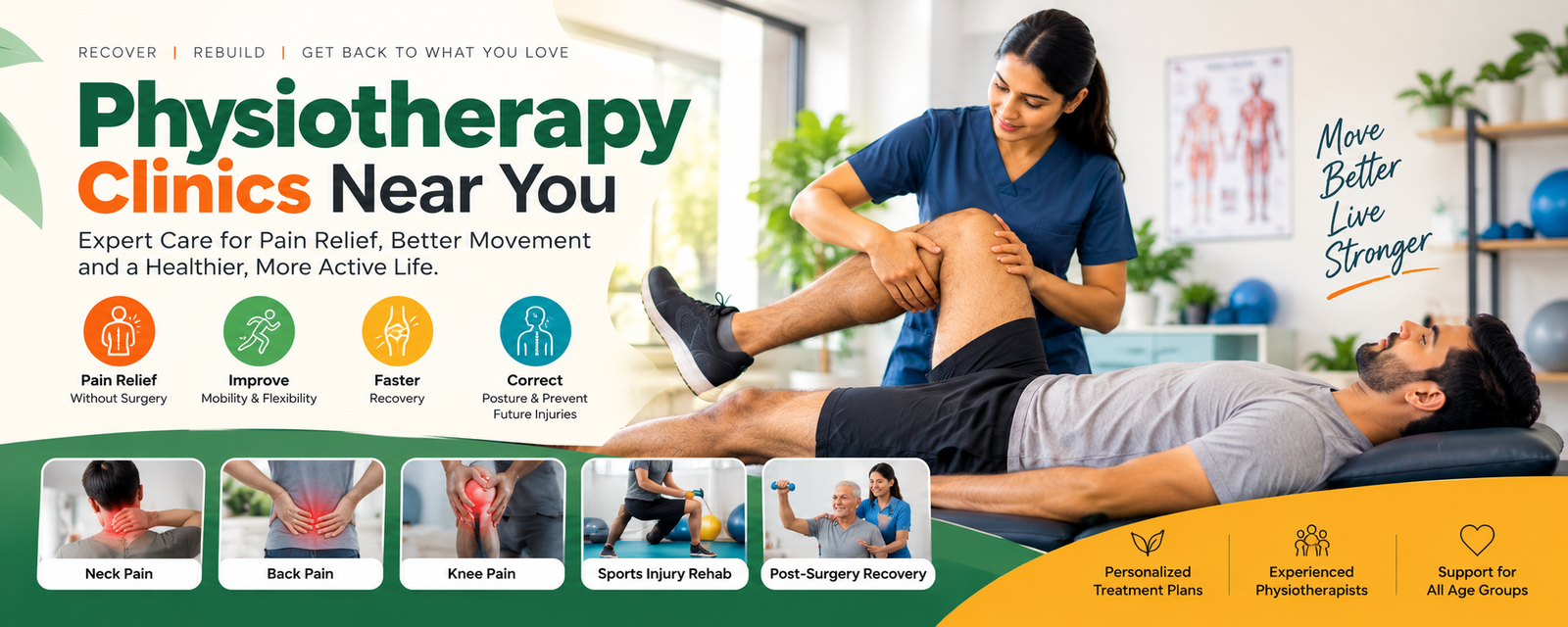
What Are Physiotherapy Clinics Near Me and Why Are They Important?
When people search for physiotherapy clinics near me, they are usually looking for nearby healthcare professionals who can help manage pain, improve movement, and support recovery after injuries or surgery.
Physiotherapy is a healthcare profession focused on restoring, maintaining, and improving physical movement and functional ability. It combines clinical assessment, therapeutic exercises, manual techniques, movement education, and rehabilitation strategies.
A professional physiotherapy clinic evaluates the patient’s physical condition before recommending an appropriate treatment programme. Instead of providing the same exercises to everyone, physiotherapists consider several factors, including:
Medical history and previous injuries.
Age and general physical condition.
Muscle strength and joint flexibility.
Movement limitations and posture.
Pain intensity and activity restrictions.
Personal rehabilitation goals.
For example, someone experiencing lower back pain due to prolonged sitting may require a different rehabilitation programme from someone recovering after knee surgery.
This is why choosing suitable physiotherapy clinics near me is important. The right clinic should understand your individual requirements and provide a structured approach to rehabilitation.
Why Do People Search for Physiotherapy Clinics Near Me?
Physical discomfort can affect people from different age groups and professional backgrounds. Office employees, athletes, homemakers, senior citizens, and individuals recovering from surgery may all require physiotherapy support.
Here are some common reasons people look for nearby physiotherapy services.
1. Persistent Back Pain
Lower back pain is a common reason people seek physiotherapy consultations. Prolonged sitting, improper lifting techniques, reduced muscle strength, and certain spinal conditions may contribute to discomfort.
Physiotherapy assessment can identify movement restrictions, muscle weakness, and activity-related problems.
Depending on the assessment, treatment may include:
Core strengthening exercises.
Gentle mobility exercises.
Postural correction.
Movement education.
Appropriate manual therapy.
Workplace ergonomic recommendations.
People searching for physiotherapy clinics near me should choose a provider who assesses the cause of their symptoms instead of recommending identical exercises to every patient.
2. Neck Pain and Shoulder Stiffness
Extended mobile phone usage, computer work, repetitive movements, and poor workstation arrangements may contribute to neck and shoulder discomfort.
Some people also experience restricted shoulder movement due to frozen shoulder or other musculoskeletal conditions.
Physiotherapy may involve gentle stretching, strengthening, joint mobility exercises, and posture education depending on the patient’s condition.
3. Knee Pain and Joint Problems
Knee pain can affect walking, climbing stairs, standing, and other everyday activities. It may occur due to osteoarthritis, ligament injuries, muscle weakness, or previous surgery.
A physiotherapist may recommend:
Quadriceps strengthening.
Knee mobility exercises.
Balance training.
Walking rehabilitation.
Functional movement exercises.
Patients searching for physiotherapy clinics near me should consider clinics that provide individual assessments and progressive rehabilitation programmes.
4. Sports Injuries
Sports activities involve repetitive movements, sudden direction changes, jumping, and physical exertion. These activities can sometimes result in muscle strains, ligament injuries, ankle sprains, or tendon problems.
Sports physiotherapy helps athletes understand their injury and follow a structured recovery programme.
Treatment may include flexibility training, strength development, balance exercises, movement correction, and sport-specific rehabilitation.
5. Post-Surgical Rehabilitation
Physiotherapy is an important part of recovery following many orthopedic procedures.
Patients recovering from knee replacement, hip replacement, ligament reconstruction, or other surgeries may require professional rehabilitation.
The treatment programme depends on the surgical procedure, healing stage, surgeon’s instructions, and individual functional ability.
A physiotherapist can guide patients through appropriate exercises to improve strength, mobility, balance, and confidence.
6. Stroke and Neurological Conditions
Neurological conditions can affect muscle control, balance, coordination, and walking ability.
Neuro-physiotherapy supports patients experiencing movement difficulties following conditions such as stroke and other neurological disorders.
Rehabilitation may focus on:
Balance improvement.
Functional movement training.
Gait rehabilitation.
Muscle activation.
Coordination exercises.
Daily activity training.
People looking for physiotherapy clinics near me for neurological rehabilitation should ask whether the clinic has appropriate experience and facilities for their specific condition.
How to Choose the Best Physiotherapy Clinics Near Me
Finding a nearby clinic is easy, but selecting the right healthcare provider requires careful consideration.
Before booking an appointment, evaluate the following factors.
1. Qualified and Experienced Physiotherapists
Professional qualifications and clinical experience are important when selecting a physiotherapy centre.
Check whether the treating physiotherapist has relevant educational qualifications, professional registration where applicable, and experience managing your particular condition.
You can also ask whether the therapist regularly handles orthopedic, neurological, sports-related, or post-surgical rehabilitation cases.
2. Personalized Treatment Plans
Every patient has different health conditions and rehabilitation requirements.
A reliable clinic should assess your physical condition before preparing a treatment plan.
The assessment may include:
Movement and posture evaluation.
Muscle strength testing.
Joint mobility assessment.
Functional movement examination.
Medical history review.
Identification of rehabilitation goals.
When comparing physiotherapy clinics near me, prioritize providers who explain the assessment findings and discuss realistic treatment goals.
3. Appropriate Physiotherapy Equipment
Physiotherapy equipment can support different rehabilitation techniques.
Depending on the clinic and the patient’s requirements, available equipment may include:
Therapeutic exercise equipment.
Resistance bands.
Balance training equipment.
Ultrasound therapy equipment.
TENS or IFT equipment.
Rehabilitation tools.
Remember that expensive equipment alone does not guarantee successful recovery. Clinical assessment, appropriate treatment selection, and patient participation are equally important.
4. Patient Reviews and Reputation
Online reviews can provide useful information about patient experiences, communication, appointment arrangements, and clinic facilities.
Before selecting physiotherapy clinics near me, consider:
Recent patient feedback.
Consistency of reviews.
Professional communication.
Treatment explanations.
Appointment accessibility.
Cleanliness and patient comfort.
Avoid making decisions based entirely on star ratings or promotional claims.
5. Convenient Location and Appointment Availability
A convenient location makes attending regular physiotherapy sessions easier.
Consider travel distance, parking availability, appointment timings, and accessibility for elderly or mobility-limited patients.
If travelling is difficult, ask whether home visit physiotherapy is available in your location.
6. Transparent Treatment Information
A professional physiotherapy provider should explain the proposed treatment, expected goals, possible discomfort, session frequency, and associated charges.
Patients should feel comfortable asking questions before beginning treatment.
When evaluating physiotherapy clinics near me, choose a clinic that communicates clearly instead of promising guaranteed or instant results.
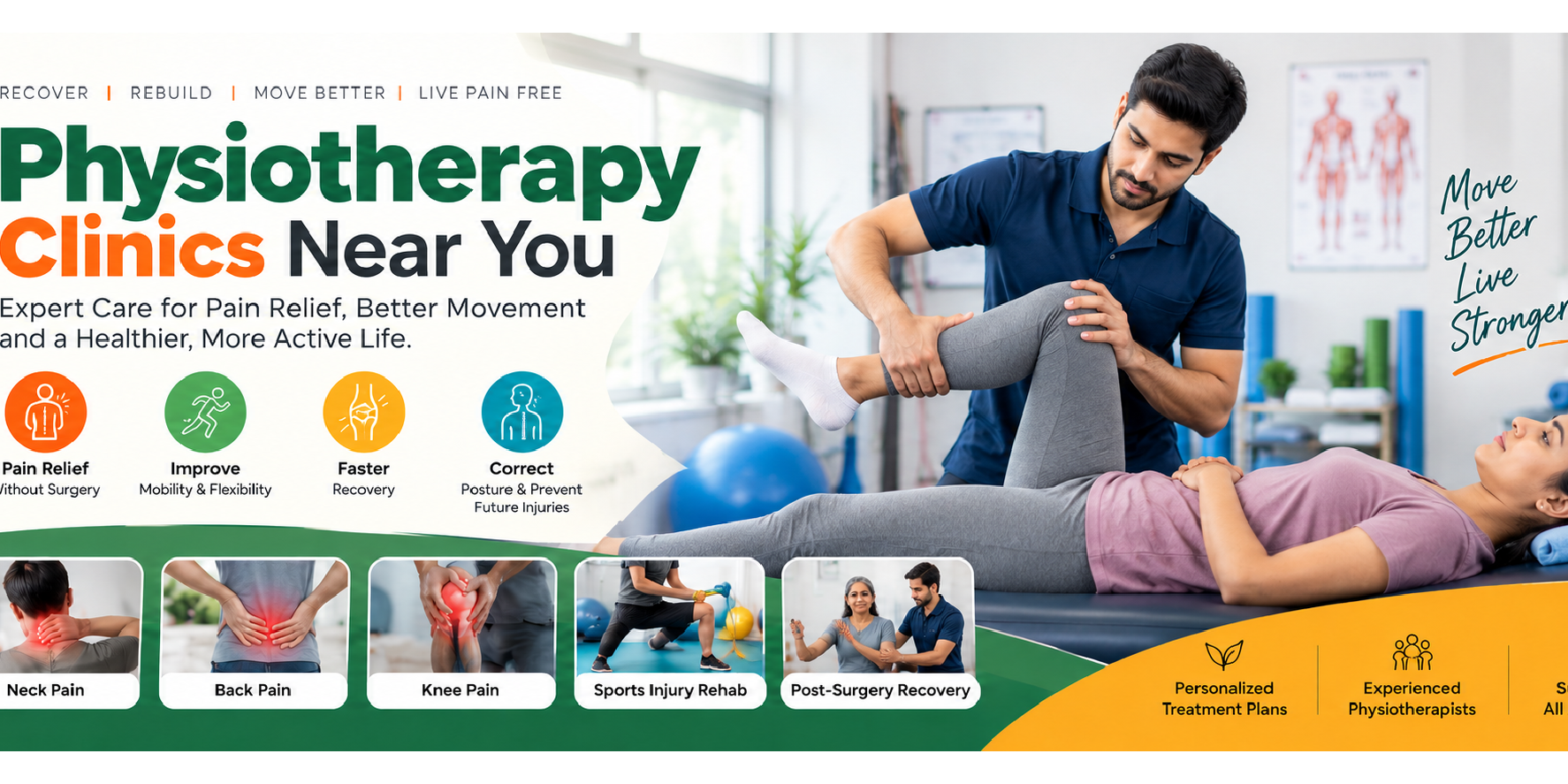
What Physiotherapy Treatments Are Available at Care To Cure Clinic?
Care To Cure Clinic in Ellis Nagar, Madurai, provides physiotherapy and holistic wellness services. Its website highlights personalized care, rehabilitation, and different therapeutic approaches.
The following services are relevant to patients exploring physiotherapy and rehabilitation options.
1. Advanced Physiotherapy
Advanced physiotherapy focuses on assessing physical limitations and developing suitable treatment programmes.
Depending on the patient’s condition, physiotherapy may involve exercise therapy, manual techniques, mobility training, and pain-management approaches.
The main objectives include:
Improving joint movement.
Supporting muscle strength.
Managing movement-related discomfort.
Improving physical function.
Supporting rehabilitation after injuries.
2. Manual Therapy
Manual therapy involves hands-on techniques performed by a trained healthcare professional to address selected musculoskeletal problems.
Depending on the clinical assessment, it may help improve joint mobility and manage muscle or joint discomfort.
Manual therapy is generally combined with appropriate exercises and movement education rather than being used as the only rehabilitation method.
3. Exercise Therapy
Exercise therapy is an important component of physiotherapy.
It involves selecting specific exercises based on the patient’s physical condition, functional ability, and recovery goals.
Common exercise categories include:
Strengthening exercises.
Flexibility exercises.
Balance exercises.
Mobility exercises.
Functional movement training.
Regularly performing prescribed exercises can support rehabilitation and help patients maintain improvements.
4. Sports Rehabilitation
Sports rehabilitation helps individuals recover from physical injuries and gradually return to their preferred activities.
A rehabilitation programme may include muscle strengthening, joint mobility, balance development, coordination training, and sport-specific movements.
The progression should depend on injury severity, recovery status, and professional assessment.
5. Neurological Rehabilitation
Neurological rehabilitation focuses on improving movement and functional independence in people affected by neurological conditions.
A physiotherapist may develop exercises to improve walking, balance, coordination, posture, and daily activities.
The programme should be individualized according to the patient’s neurological condition and abilities.
6. Varmam Therapy
Care To Cure also highlights Varmam therapy as part of its holistic treatment offerings.
Varmam is a traditional therapeutic practice involving specific pressure points.
Patients interested in this approach should discuss its suitability with the practitioner and understand its role alongside conventional healthcare. It should not replace necessary medical assessment or evidence-based treatment.
7. Acupuncture
Acupuncture involves the use of fine needles at specific points by a suitably trained practitioner.
Some people explore acupuncture as a complementary approach for selected pain-management needs.
Its suitability depends on individual health conditions, practitioner qualifications, and appropriate safety precautions.
When searching for physiotherapy clinics near me, patients should ask which treatments are appropriate for their particular condition rather than assuming every available therapy is necessary.
Benefits of Choosing Professional Physiotherapy Services
Physiotherapy offers several potential benefits when treatment is appropriately selected and followed under professional supervision.
1. Better Pain Management
Physiotherapy can help manage certain types of muscle, joint, and movement-related pain through targeted exercises, manual techniques, and activity modification.
The treatment approach depends on the cause of discomfort.
2. Improved Flexibility and Mobility
Joint stiffness and reduced flexibility can make everyday activities difficult.
Appropriate mobility exercises and stretching programmes may help improve movement and functional ability.
3. Increased Muscle Strength
Muscle weakness can affect posture, balance, walking, and physical performance.
Progressive strengthening exercises help improve muscle capacity and support everyday movement.
4. Improved Balance and Coordination
Balance training is especially relevant for individuals with neurological conditions, age-related mobility difficulties, or certain injuries.
A supervised rehabilitation programme can help improve balance and movement confidence.
5. Support After Surgery
Post-surgical physiotherapy helps patients work towards regaining movement, strength, and independence.
Following the surgeon’s precautions and the physiotherapist’s instructions is essential throughout recovery.
6. Better Everyday Function
The purpose of rehabilitation is not simply to reduce discomfort.
It is also about helping people perform daily activities such as walking, sitting, standing, dressing, and climbing stairs more comfortably.
7. Injury Prevention Education
Physiotherapists can provide advice on posture, movement techniques, exercise progression, and physical conditioning.
These strategies may help reduce the risk of certain recurring injuries.
When Is Home Visit Physiotherapy Useful?
Home physiotherapy can be useful for:
Elderly individuals with mobility limitations.
Patients recovering after surgery.
Individuals experiencing difficulty travelling.
Patients requiring supervised home-based rehabilitation.
People who prefer treatment in a familiar environment.
Care To Cure offers home visit physiotherapy services in Madurai, as described on its website.
If you are searching for physiotherapy clinics near me but travelling is difficult, you can contact the clinic to enquire about home visit availability in your area.
Frequently Asked Questions (FAQs)
1. How Do I Find the Best Physiotherapy Clinics Near Me?
To find suitable physiotherapy clinics near me, check the physiotherapist’s qualifications, clinical experience, treatment facilities, patient feedback, location, and appointment availability. Choose a clinic that provides an individual assessment and explains the proposed rehabilitation programme.
2. What Conditions Can Physiotherapy Treat?
Physiotherapy can help manage several musculoskeletal and neurological conditions, including back pain, neck pain, knee problems, sports injuries, muscle weakness, joint stiffness, and movement difficulties following surgery or stroke. The appropriate treatment depends on individual assessment.
3. How Many Physiotherapy Sessions Will I Need?
The number of sessions varies depending on the condition, severity, medical history, functional limitations, and response to treatment. Your physiotherapist can recommend an initial treatment schedule and review your progress regularly.
4. Is Physiotherapy Suitable for Elderly People?
Yes. Physiotherapy can support older adults experiencing joint stiffness, muscle weakness, balance difficulties, and mobility limitations. Exercises and rehabilitation programmes should be adjusted according to the individual’s health and physical ability.
5. Can Physiotherapy Help With Lower Back Pain?
Physiotherapy may help manage many types of lower back pain through appropriate exercises, movement education, strengthening, and other selected interventions. However, the underlying cause should be assessed before starting treatment.
6. Is Physiotherapy Necessary After Knee Replacement Surgery?
Physiotherapy is an important component of rehabilitation after knee replacement surgery. It helps patients work towards improving knee movement, muscle strength, walking ability, and functional independence. Treatment should follow the surgeon’s precautions and rehabilitation recommendations.
7. Can I Get Physiotherapy Treatment at Home in Madurai?
Yes. Care To Cure provides home visit physiotherapy services in Madurai. Patients can contact the clinic to confirm service availability, appointment timings, and suitability for their condition.
8. Is Physiotherapy Painful?
Physiotherapy should be adapted to the patient’s condition and tolerance. Some exercises may cause temporary muscle soreness or mild discomfort, but severe or increasing pain should be communicated to the therapist immediately.
9. What Should I Check Before Choosing a Physiotherapy Centre?
Check professional qualifications, experience, treatment approach, clinic hygiene, available facilities, patient reviews, and appointment convenience. It is also important to choose a clinic that explains treatment options and expected outcomes clearly.
10. Where Is Care To Cure Physiotherapy Clinic Located in Madurai?
Care To Cure Clinic is located at H:763, near Karumari Amman Temple, opposite Manickam Mahal, Ellis Nagar, Madurai, Tamil Nadu – 625016. You can contact 9894495112 or 8681024112 for appointment enquiries.
Conclusion
Physical discomfort, joint stiffness, muscle weakness, and movement limitations should not prevent you from enjoying your everyday activities. Finding the right physiotherapy professional is an important step towards understanding your condition and exploring suitable rehabilitation options.
When comparing physiotherapy clinics near me, focus on professional qualifications, personalized treatment plans, suitable rehabilitation facilities, patient communication, and convenient appointment availability.
Care To Cure Clinic in Ellis Nagar, Madurai, provides physiotherapy and wellness services designed to support individual health and recovery requirements. With a patient-centred approach, personalized care, and home visit physiotherapy options, the clinic offers patients an opportunity to discuss their rehabilitation needs with its team.
Whether you are experiencing back pain, knee discomfort, shoulder stiffness, sports injuries, or post-surgical mobility challenges, take the first step by seeking an appropriate professional assessment.
Your health deserves attention, and your recovery deserves the right care.
Contact Care To Cure Clinic today to discuss your physiotherapy requirements and book your consultation.
Website: https://caretocuredr.in/
Phone: 9894495112 | 8681024112