Stroke Recovery Physiotherapy in Madurai
A stroke can change life in a matter of seconds. Simple daily tasks like walking, holding a spoon, speaking clearly, or even sitting without support may suddenly become difficult.
But recovery is possible.
With the right stroke recovery physiotherapy in Madurai, many patients regain movement, rebuild confidence, and return to independent living. Early rehabilitation and structured physiotherapy play a major role in helping stroke survivors recover function and improve quality of life.
Whether the stroke is mild or severe, rehabilitation should begin as early as medically possible.
In this guide, we explain how physiotherapy helps after stroke, what treatments are involved, recovery timelines, and why choosing specialized stroke recovery physiotherapy in Madurai can make a meaningful difference.
Why Physiotherapy is Essential After a Stroke
Acupuncture is a form of Traditional Medicine that uses fine needles to stimulate specific points on the body.
These points are believed to connect with energy pathways — or “meridians” — that influence:
-
Pain perception
-
Organ function
-
Mood and stress response
In Western terms, acupuncture triggers nerve pathways and boosts natural pain‑relief chemicals like endorphins and serotonin.
Real‑world example:
A patient with chronic neck pain reported 70% relief after 6 sessions of acupuncture combined with light exercise — a result verified via daily symptom tracking.
Why Physiotherapy is Essential After a Stroke
A stroke affects the brain’s ability to control movement, coordination, balance, and speech.
Common post-stroke problems include:
- Weakness on one side of the body
- Paralysis or hemiplegia
- Muscle stiffness or spasticity
- Difficulty walking
- Poor balance
- Trouble using the hand or arm
- Difficulty swallowing
- Reduced coordination
- Fatigue and low endurance
This is where physiotherapy becomes critical.
Benefits of Stroke Rehabilitation Physiotherapy
Stroke recovery physiotherapy in Madurai helps patients:
- Restore muscle strength
- Improve walking ability
- Retrain balance and posture
- Reduce stiffness and spasticity
- Improve hand and arm function
- Prevent complications like contractures
- Increase independence in daily activities
- Reduce risk of falls
- Support long-term neurological recovery
The brain has a remarkable ability called neuroplasticity.
Through repetitive movement training, the brain can form new pathways and relearn lost functions.
That is the science behind stroke rehabilitation.
What Happens During Stroke Recovery Physiotherapy in Madurai?
Every stroke patient is different.
Recovery plans are personalized based on:
| Assessment Area | What Physiotherapists Evaluate |
|---|---|
| Muscle Strength | Weakness and paralysis level |
| Balance | Sitting and standing control |
| Walking Ability | Gait pattern and mobility |
| Joint Movement | Range of motion |
| Spasticity | Muscle tightness |
| Functional Skills | Daily task independence |
Based on this, a rehabilitation program is designed.
Common Physiotherapy Treatments Include
1. Range of Motion Exercises
These prevent joint stiffness.
Passive and active exercises keep limbs mobile and reduce complications.
2. Strength Training
Weak muscles are retrained gradually.
Exercises focus on:
- Arms
- Legs
- Core stability
- Shoulder control
- Grip strengthening
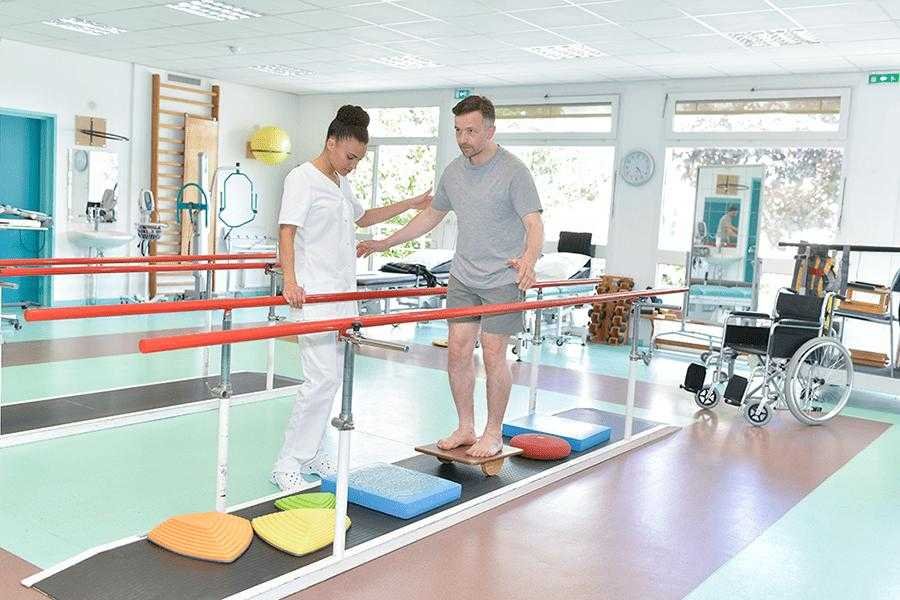
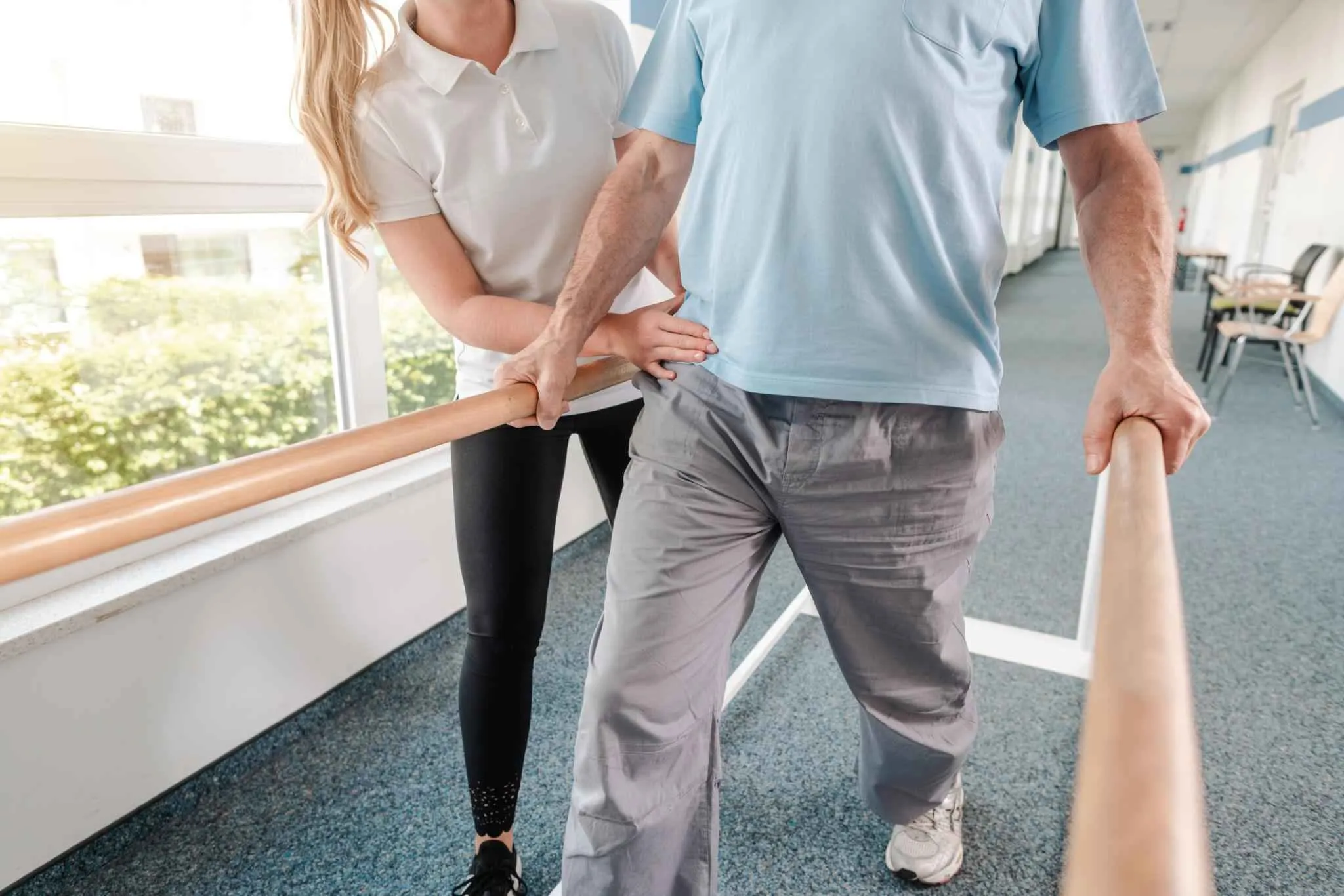
3. Gait Training
Walking may need to be relearned after stroke.
Gait rehabilitation includes:
- Weight shifting practice
- Parallel bar walking
- Assisted walking
- Step training
- Stair training
This is a major part of stroke recovery physiotherapy in Madurai.
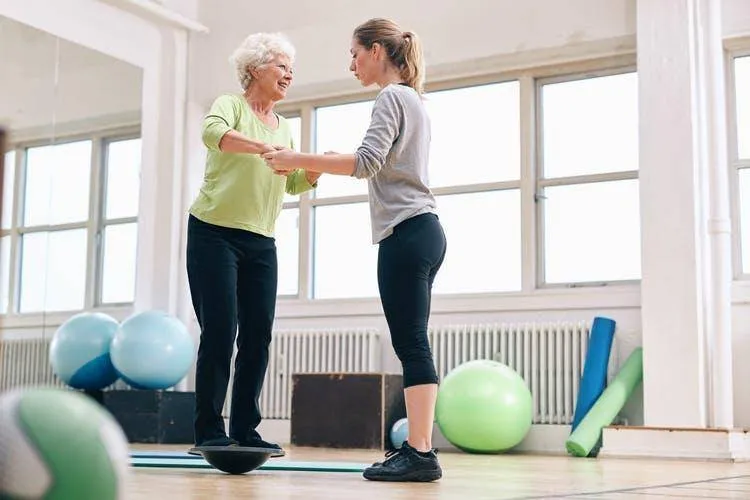
4. Balance Rehabilitation
Poor balance raises fall risk.
Physiotherapists use:
- Standing exercises
- Functional reaching
- Coordination drills
- Postural correction
- Dynamic balance training
5. Neuro Physiotherapy Techniques
Specialized neurological rehab may include:
- Bobath therapy
- PNF techniques
- Motor relearning programs
- Task-oriented training
- Constraint-induced movement therapy
These help the brain reconnect movement patterns.
How Soon Should Stroke Physiotherapy Start?
One of the biggest mistakes families make is waiting too long.
Early rehab matters.
Ideal Timeline
Acute Stage (24–72 hours)
Gentle positioning and early movement begin.
Subacute Stage (Weeks to Months)
Intensive rehabilitation happens.
Chronic Stage (Months to Years)
Continued therapy improves function even years later.
Key Fact
Recovery does not stop after 3 or 6 months.
Many patients continue improving with consistent stroke recovery physiotherapy in Madurai, even after years.
Conditions Treated in Stroke Rehabilitation
Physiotherapy helps patients recovering from:
- Ischemic stroke
- Hemorrhagic stroke
- Brain stroke paralysis
- Hemiplegia
- Hemiparesis
- Facial weakness after stroke
- Post-stroke balance disorders
- Hand dysfunction after stroke
Real-Life Mini Case Scenario
Case Example 1
A 62-year-old man from Madurai had a left-sided stroke.
He could not walk independently and had right arm weakness.
After 12 weeks of structured stroke recovery physiotherapy in Madurai, including gait training and neuro exercises:
- Walking improved with minimal support
- Hand grip improved
- Balance became stable
- He resumed daily self-care
Recovery took effort, but progress happened.
Common Exercises Used in Stroke Physiotherapy
Some exercises may include:
Bed Mobility Training
Patients practice:
- Rolling
- Sitting up
- Transfers
- Position changes
This improves independence.
Sitting Balance Exercises
Examples:
- Reaching activities
- Weight shifting
- Trunk control training
These prepare patients for standing.
Standing Exercises
Often include:
- Supported standing
- Mini squats
- Heel raises
- Weight transfer drills
Hand Rehabilitation
For upper limb recovery:
- Grip practice
- Object picking
- Finger movement exercises
- Functional reaching
Hand recovery can be slower but highly important.
Can Stroke Paralysis Improve With Physiotherapy?
In many cases, yes.
Improvement depends on:
- Stroke severity
- Area of brain affected
- Time rehabilitation started
- Therapy consistency
- Patient motivation
- Overall health
Recovery Often Improves:
- Mobility
- Walking
- Arm movement
- Daily function
- Confidence
Even when full recovery is not possible, major functional gains often are.
That is why stroke recovery physiotherapy in Madurai matters.
Advanced Techniques Used in Modern Stroke Rehabilitation
Many advanced rehab centers use:
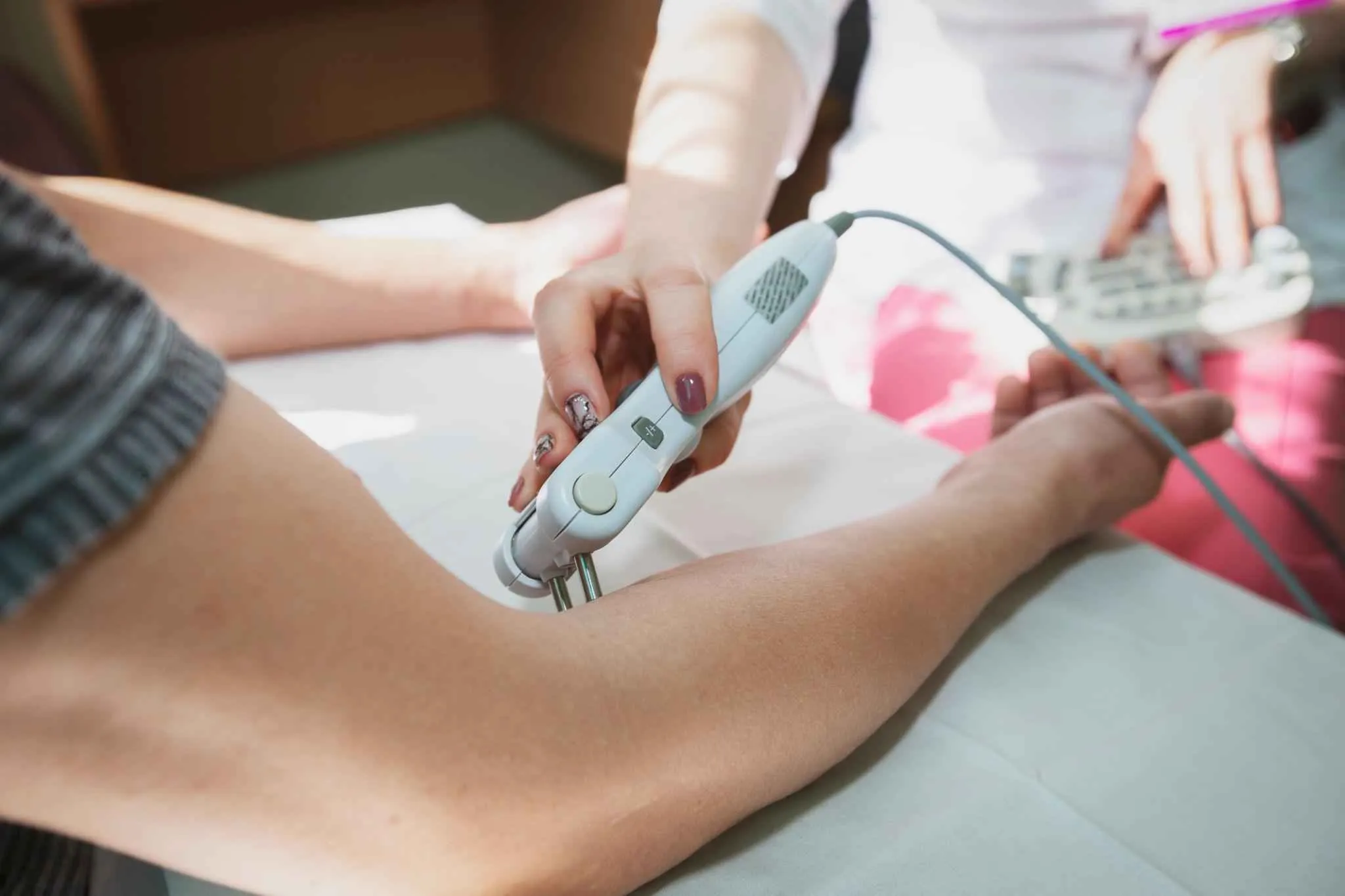
Electrical Stimulation
Helps activate weak muscles.
Useful for:
- Foot drop
- Arm weakness
- Muscle re-education
Functional Training
Instead of isolated exercise alone, patients practice real tasks:
- Getting out of bed
- Using stairs
- Dressing
- Holding objects
- Walking outdoors
Real-world training gets better results.
Mirror Therapy
Used especially for arm recovery.
The brain is stimulated through visual feedback.
Promising outcomes are seen in many stroke patients.
Home Physiotherapy for Stroke Recovery
Some patients need rehabilitation at home.
Home-based stroke recovery physiotherapy in Madurai may help when:
- Mobility is severely limited
- Elderly patients cannot travel
- Post-hospital discharge care is needed
Benefits include:
- Comfortable environment
- Family participation
- Functional home training
- Better continuity of care
Family Support Matters in Stroke Recovery
Recovery is not just exercises.
Family support changes outcomes.
Families can help by:
- Encouraging regular exercise
- Preventing missed sessions
- Assisting safe mobility
- Supporting emotional wellbeing
- Following therapist instructions
Recovery becomes stronger when families are involved.
Signs You Should Start Stroke Physiotherapy Immediately
Seek rehabilitation if a stroke survivor has:
- Difficulty walking
- Arm or leg weakness
- Muscle stiffness
- Repeated falls
- Balance issues
- Difficulty sitting unsupported
- Poor coordination
- Trouble with daily tasks
Do not wait for symptoms to “settle.”
Early action helps.
What Makes Good Stroke Recovery Physiotherapy in Madurai?
Choose a center that offers:
Look For:
✔ Neuro rehabilitation expertise
✔ Individualized treatment plans
✔ Experienced physiotherapists
✔ Functional recovery focus
✔ Gait and balance training
✔ Home exercise guidance
✔ Modern rehabilitation methods
✔ Patient-centered approach
The right rehabilitation team matters.
Practical Tips to Speed Up Stroke Recovery
Daily Recovery Tips
- Start therapy early
- Follow exercises consistently
- Practice movements daily
- Focus on functional tasks
- Avoid long inactivity
- Eat healthy for brain recovery
- Stay motivated
Consistency often matters more than intensity.
Recovery Timeline After Stroke
Recovery varies.
General pattern:
| Time After Stroke | Possible Progress |
|---|---|
| First Month | Basic movement gains |
| 3 Months | Major rehab progress |
| 6 Months | Improved function |
| 1 Year+ | Continued gains possible |
Every patient differs.
Never compare one recovery journey to another.
Why Neuroplasticity Makes Recovery Possible
This is one of the biggest reasons physiotherapy works.
The brain can rewire.
Repeated movement practice helps:
- Build new pathways
- Restore motor control
- Improve coordination
- Recover lost function
This is the foundation of stroke recovery physiotherapy in Madurai.
FAQs – Stroke Recovery Physiotherapy in Madurai
1. How soon should physiotherapy start after stroke?
Physiotherapy should begin as early as medically safe, often within days after stroke. Early rehab improves outcomes.
2. Can paralysis improve with stroke physiotherapy?
Yes. Many patients improve strength, mobility, and function through consistent rehabilitation.
3. How long does stroke rehabilitation take?
Recovery varies. Some improve in months, while others continue progressing over years.
4. Is home physiotherapy available for stroke patients?
Yes. Many centers offering stroke recovery physiotherapy in Madurai provide home rehabilitation services.
5. Can elderly stroke patients benefit from physiotherapy?
Absolutely. Age does not prevent rehabilitation. Elderly patients often improve mobility and independence.
6. Does physiotherapy help improve walking after stroke?
Yes. Gait training is one of the main goals of stroke rehabilitation.
7. How many sessions are needed for stroke recovery?
It depends on severity and goals. Some need short-term rehab, others require long-term structured therapy.
8. Can old stroke patients still recover?
Yes. Even chronic stroke patients can make functional gains through targeted therapy.
Conclusion
Stroke may interrupt life.
It does not have to define life.
With expert stroke recovery physiotherapy in Madurai, many survivors regain movement, improve independence, and return to meaningful daily living.
Recovery takes time.
Recovery takes consistency.
Most importantly, recovery takes the right support.
If you or a loved one is recovering after stroke, do not delay rehabilitation.
Book a professional assessment today at Care To Cure and start your journey toward stronger recovery, better mobility, and renewed confidence.
Call now or schedule a stroke rehabilitation consultation today.