Introduction to Stroke Rehabilitation
Stroke rehabilitation is a critical step in helping stroke survivors rebuild their lives after a medical emergency. A stroke can affect movement, speech, memory, balance, and even basic daily activities like eating or dressing. For many patients and families, the recovery journey begins with finding the Best Stroke Rehabilitation Centre in Madurai, where expert care and structured therapy can make a real difference.
Rehabilitation focuses on helping patients regain lost abilities and improve independence. It is not just about physical recovery. It also supports emotional well-being, confidence, and mental strength. With the right guidance, many stroke survivors can relearn essential skills and return to everyday routines.
The rehabilitation process usually involves a team of specialists, including physiotherapists, occupational therapists, speech therapists, and neurologic experts. Each professional plays a specific role in improving mobility, communication, and cognitive function. Therapy plans are carefully designed based on the patient’s condition, age, and recovery goals.
Early rehabilitation is one of the most important factors for success. Starting therapy soon after medical stabilization helps prevent muscle stiffness, improves brain recovery, and reduces long-term disability. Even patients who begin rehabilitation months later can experience significant progress with consistent therapy.
In real-life situations, stroke rehabilitation often becomes a turning point. For example, a patient who initially struggled to stand may gradually regain balance through daily physiotherapy sessions. Another patient who lost speech clarity may relearn communication through regular speech therapy. These small improvements build confidence and motivate continued progress.
Why Choosing the Right Stroke Rehabilitation Centre Matters
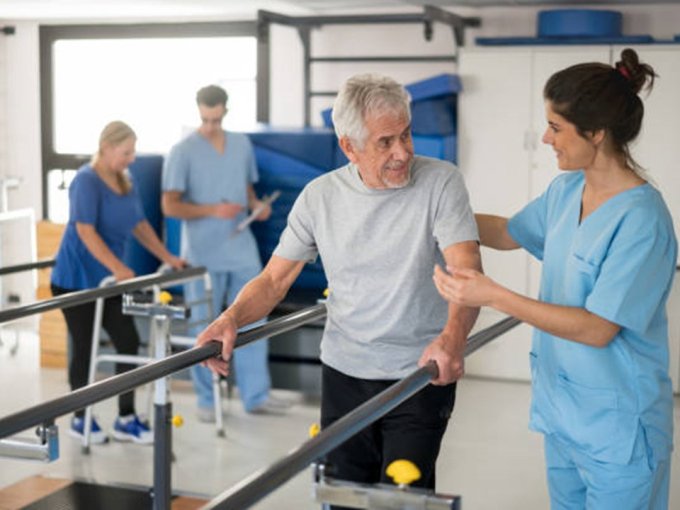
Recovery after a stroke is not only about medical treatment — it is about rebuilding everyday life. The rehabilitation centre you choose plays a major role in how quickly and effectively a patient regains mobility, speech, confidence, and independence. Selecting the right place can significantly influence long-term recovery outcomes.
Every stroke affects people differently. Some patients struggle with walking, while others face speech or memory problems. A good rehabilitation centre understands these differences and creates personalized therapy plans instead of using a one-size-fits-all approach. This individualized care helps patients progress faster and safely.
Expert guidance is another key reason why the right centre matters. Skilled physiotherapists, occupational therapists, and speech therapists work together to address all aspects of recovery. Their experience helps identify challenges early and adjust therapy techniques to match the patient’s improvement level.
Consistency is essential in stroke recovery. A well-organized rehabilitation centre provides structured sessions, regular assessments, and measurable goals. For example, a patient who cannot stand independently at the beginning may gradually move from assisted walking to independent movement through continuous therapy and monitoring.
Advanced equipment and modern rehabilitation techniques also make a big difference. Centres that use updated therapy tools can improve muscle coordination, balance, and strength more effectively. This not only speeds up recovery but also reduces the risk of complications such as falls or muscle stiffness.
What Makes the Best Stroke Rehabilitation Centre in Madurai
Choosing the best stroke rehabilitation centre is not only about location — it is about quality of care, expert guidance, and measurable recovery results. In Madurai, several rehabilitation centres provide therapy services, but the best ones share a few important qualities that truly support long-term stroke recovery.
1. Specialized Neuro Rehabilitation Expertise
The best centres have therapists trained specifically in stroke and neurological recovery. Stroke patients need targeted physiotherapy, balance training, speech support, and cognitive exercises — not just general physiotherapy.
2. Multidisciplinary Therapy Approach
A strong rehabilitation centre offers multiple therapies under one roof:
-
Neuro physiotherapy for mobility
-
Occupational therapy for daily activities
-
Speech therapy for communication
-
Cognitive rehabilitation for memory and focus
3. Personalized Treatment Plans
Every stroke is different. The best rehabilitation centres assess strength, balance, speech, and cognitive function before creating therapy plans.
Top centres adjust exercises weekly based on progress. This approach helps patients move from assisted walking to independent mobility step by step.
4. Experienced Therapists and Consistent Monitoring
Recovery needs continuous evaluation. Centres such as Sun physiotherapy spine neuro rehabilitation centre and Elite Physiotherapy and Rehabilitation Centre are known for physiotherapy-based rehabilitation where regular follow-ups and progress tracking are part of care.
5. Modern Equipment and Safe Environment
Advanced rehabilitation tools improve muscle activation, balance training, and coordination. A safe environment also reduces fall risk and improves patient confidence during therapy sessions.
Types of Stroke Rehabilitation Therapies
Stroke rehabilitation uses different types of therapies to help patients recover movement, speech, thinking ability, and daily independence. Since every stroke affects the body differently, doctors and therapists usually combine multiple therapies to achieve the best results. A well-planned rehabilitation program focuses on rebuilding skills step by step and helping patients return to normal life as much as possible.
1. Physical Therapy (Physiotherapy)
Physical therapy focuses on improving strength, balance, coordination, and mobility. Many stroke patients experience weakness on one side of the body, making walking or standing difficult.
Therapists use stretching, muscle-strengthening exercises, gait training, and balance activities to help patients regain movement. For example, a patient who initially needs support to stand may gradually progress to walking independently with regular physiotherapy sessions.
2. Occupational Therapy
Occupational therapy helps patients relearn daily life activities such as dressing, bathing, eating, writing, or cooking. The goal is to restore independence in routine tasks.
Therapists may also suggest adaptive techniques or assistive tools that make everyday activities easier and safer. Small improvements, like being able to hold a spoon or button a shirt, greatly improve confidence.
3. Speech and Language Therapy
Many stroke survivors face difficulty speaking, understanding language, or swallowing food. Speech and language therapy helps improve communication skills and oral muscle control.
Therapists use exercises to strengthen speech muscles, improve word formation, and rebuild language understanding. In real-life situations, patients who struggle to communicate can gradually regain clarity and confidence through regular practice.
4. Cognitive Rehabilitation Therapy
Stroke can affect memory, concentration, reasoning, and problem-solving skills. Cognitive therapy focuses on improving these brain functions through structured activities and mental exercises.
Patients may work on memory games, attention tasks, or problem-solving exercises that help them manage daily responsibilities more effectively.
5. Psychological and Emotional Support
Emotional recovery is equally important. Anxiety, frustration, or depression are common after a stroke. Counseling and motivational support help patients stay positive and committed to therapy.
A supportive environment encourages patients to continue rehabilitation consistently, which leads to better outcomes.
6. Home-Based Rehabilitation Exercises
Recovery does not stop at the centre. Therapists often provide home exercise programs so patients can continue practice daily. Family involvement in these exercises improves recovery speed and maintains long-term progress.
How Stroke Rehabilitation Improves Quality of Life
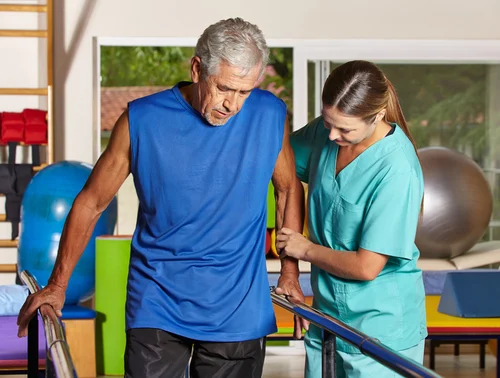
Stroke rehabilitation plays a major role in helping survivors move from dependence to independence. After a stroke, simple daily tasks can feel difficult or even impossible. Rehabilitation gives patients the tools, guidance, and confidence needed to regain control over their lives step by step.
1. Restores Physical Independence
One of the biggest changes after a stroke is reduced mobility. Patients may struggle with walking, balance, or using their hands. Through structured therapy, muscles become stronger, coordination improves, and movement becomes safer.
For example, a person who initially needed support to stand may gradually progress to walking independently. This improvement allows patients to move around confidently and participate in normal activities again.
2. Improves Ability to Perform Daily Activities
Rehabilitation helps patients relearn basic routines like bathing, dressing, eating, or writing. Occupational therapy focuses on practical skills that directly impact daily life.
When a patient can perform personal tasks without constant help, it restores dignity and reduces the emotional stress on both the patient and family members.
3. Enhances Communication Skills
Stroke can affect speech and language, making communication frustrating. Speech therapy improves speaking clarity, understanding, and swallowing ability.
As communication improves, patients feel more connected to family and friends. This emotional connection greatly improves overall well-being and reduces feelings of isolation.
4. Supports Mental and Emotional Health
Many stroke survivors experience anxiety, frustration, or depression during recovery. Rehabilitation provides a structured routine, encouragement, and measurable progress, which helps patients stay motivated.
Small achievements — like taking a few steps or saying clear words — build confidence and create a positive mindset toward recovery.
5. Strengthens Cognitive Abilities
Stroke sometimes affects memory, concentration, and decision-making skills. Cognitive rehabilitation exercises help improve focus, problem-solving, and mental clarity.
These improvements allow patients to manage everyday situations more effectively, such as remembering appointments or handling simple tasks independently.
Key Features to Look for in a Stroke Rehabilitation Centre
Choosing a stroke rehabilitation centre is an important decision because the quality of care directly affects recovery speed, independence, and long-term quality of life. The best centres combine expert teams, structured therapy, and patient-focused care to help survivors regain confidence and daily functioning.
Here are the most important features you should look for when selecting a stroke rehabilitation centre.
1. Multidisciplinary Rehabilitation Team
A strong rehabilitation centre should have a complete team of specialists working together. Stroke recovery usually requires physiotherapists, occupational therapists, speech therapists, rehabilitation nurses, doctors, and mental health support.
According to the American Stroke Association, stroke rehabilitation works best when multiple professionals coordinate care as one team. This multidisciplinary approach helps address mobility, speech, thinking skills, and emotional health at the same time.
2. Personalized Treatment Plans
No two stroke cases are the same. The best rehabilitation centres assess the patient’s strength, speech, balance, and daily challenges before designing therapy.
Good centres set realistic goals and review progress regularly. The NICE guidelines also recommend meaningful goal-setting that involves both the patient and family, ensuring therapy remains practical and motivating.
3. Comprehensive Therapy Options
Effective stroke recovery usually combines:
-
Physical therapy for mobility and balance
-
Occupational therapy for daily activities
-
Speech and language therapy
-
Cognitive and emotional support
A centre that offers all these therapies under one roof ensures smoother recovery and better coordination between therapists.
4. Structured and Intensive Rehabilitation
Intensity matters in stroke recovery. Research-based guidance recommends consistent, structured therapy rather than occasional sessions.
For example, stroke rehab programs are often designed to deliver several hours of multidisciplinary therapy per day for better improvement in daily activities and quality of life.
5. Regular Assessments and Progress Tracking
The best rehabilitation centres measure recovery through regular evaluations. Progress tracking helps therapists:
-
Adjust exercises based on improvement
-
Prevent plateaus in recovery
-
Set new targets when goals are achieved
This step-by-step monitoring keeps patients motivated and ensures treatment stays effective.
Benefits of Early Stroke Rehabilitation
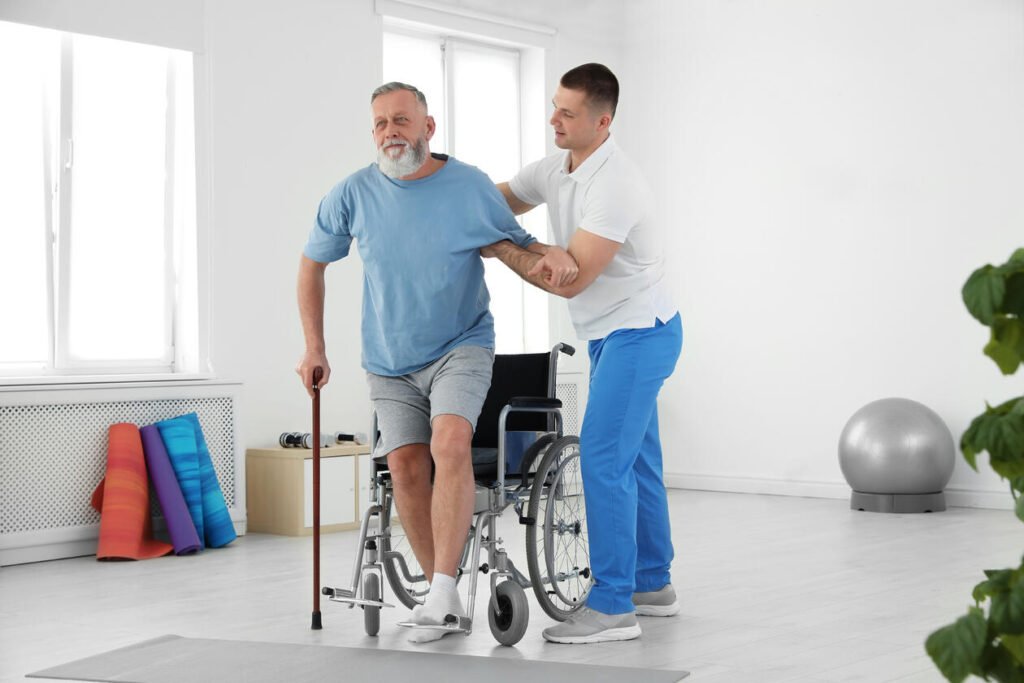
Starting rehabilitation early after a stroke can make a huge difference in recovery. Doctors and rehabilitation experts agree that therapy should begin as soon as the patient is medically stable, often within the first few days. Early action helps the brain and body adapt faster, reduces complications, and improves long-term independence.
Below are the key benefits of early stroke rehabilitation explained in simple, practical terms.
1. Faster Brain Recovery and Neuroplasticity
After a stroke, the brain has the ability to reorganize and form new connections — this is called neuroplasticity. Early rehabilitation takes advantage of this natural healing phase.
When therapy starts early, patients learn movements and skills while the brain is most responsive, improving recovery outcomes.
Example:
A patient who begins guided movement exercises early may regain hand control sooner than someone who delays therapy.
2. Better Mobility and Physical Function
Early physiotherapy helps prevent muscle stiffness, weakness, and loss of joint movement. Regular exercises improve:
-
Balance
-
Walking ability
-
Muscle strength
-
Coordination
Physical activity during recovery also improves overall function and reduces fall risk.
3. Reduced Long-Term Disability
One of the biggest advantages of early rehabilitation is reducing long-term dependency. Studies and clinical guidelines show that structured rehab started early improves independence and daily functioning.
Patients who receive specialist rehabilitation support are more likely to regain independence in daily activities.
4. Improved Daily Life Skills
Occupational therapy started early helps patients relearn essential activities such as:
-
Eating
-
Dressing
-
Bathing
-
Using the toilet safely
This reduces dependence on caregivers and restores dignity and confidence.
Mini Case Scenario:
A patient unable to hold a spoon initially begins hand-coordination exercises early. Within weeks, they start eating independently.
5. Better Speech and Communication Recovery
Speech therapy is most effective when started early. It helps patients recover speaking ability, swallowing control, and communication confidence.
Early intervention prevents frustration and social withdrawal caused by communication difficulties.
Frequently Asked Questions (FAQs)
1. What is stroke rehabilitation?
Stroke rehabilitation is a structured therapy process that helps stroke survivors regain lost abilities such as walking, speaking, balance, and daily living skills. It combines physical, occupational, speech, and cognitive therapy to improve independence and quality of life.
2. When should stroke rehabilitation start?
Rehabilitation should begin as early as possible once the patient is medically stable. Early therapy helps the brain recover faster, prevents complications, and improves long-term recovery outcomes.
3. Can a person fully recover after a stroke?
Recovery varies from person to person. Some patients recover almost completely, while others may need long-term support. The level of recovery depends on stroke severity, early treatment, consistency of therapy, and family support.
4. How long does stroke rehabilitation take?
There is no fixed timeline. Some people show improvement within a few weeks, while others may continue therapy for several months or even longer. Recovery usually happens step by step, and progress continues with regular practice.
5. What therapies are included in stroke rehabilitation?
Stroke rehabilitation commonly includes:
-
Physical therapy for mobility and strength
-
Occupational therapy for daily activities
-
Speech and language therapy
-
Cognitive rehabilitation for memory and focus
-
Emotional and psychological support
6. Is family involvement important during recovery?
Yes. Family members play a major role in recovery by helping with home exercises, providing motivation, and supporting daily routines. Patients often recover faster when caregivers are involved in therapy guidance.
7. How do I choose the best stroke rehabilitation centre in Madurai?
Look for experienced therapists, personalized treatment plans, modern facilities, regular progress tracking, and positive patient feedback. A centre that offers multiple therapies under one roof is usually more effective.
Conclusion: Start Your Recovery Journey Today
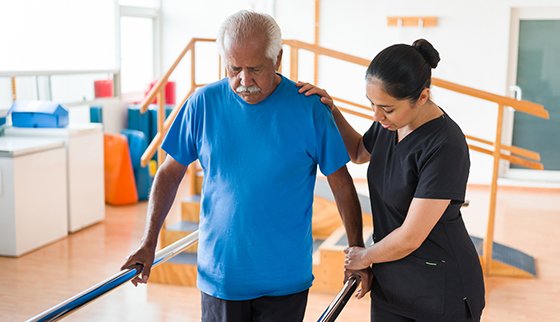
Recovering after a stroke can feel overwhelming in the beginning, but with the right guidance and consistent therapy, meaningful improvement is possible. Rehabilitation is not just about regaining movement — it is about rebuilding confidence, independence, and quality of life step by step.
Choosing the right rehabilitation support in Madurai can make a significant difference in how smoothly and successfully recovery progresses. A centre that offers expert therapists, personalized care, and continuous encouragement helps patients move forward with confidence and hope.
Every small milestone matters — taking a few steps independently, speaking clearly again, or completing daily activities without support. These achievements are the result of patience, commitment, and professional rehabilitation.
The most important step is to start early and stay consistent. Recovery is a journey, and each therapy session brings progress closer. With the right care, support from family, and a positive mindset, stroke survivors can regain control of their lives and return to meaningful daily activities.
Take the first step today.
Begin your recovery journey with professional guidance, structured therapy, and a clear plan toward independence and long-term well-being.